Our network
Brighton Fibre is a hyper-local full-fibre network across Brighton & Hove. We own and run the whole thing end-to-end — from the ducts and fibre in the street through to the routers, switches and software that keep everything moving.
Because we build it ourselves, we can keep the network simple, resilient and fair. No legacy copper, no anonymous wholesale platforms, just a clean fibre network that does what it is meant to do.
Built for Brighton & Hove
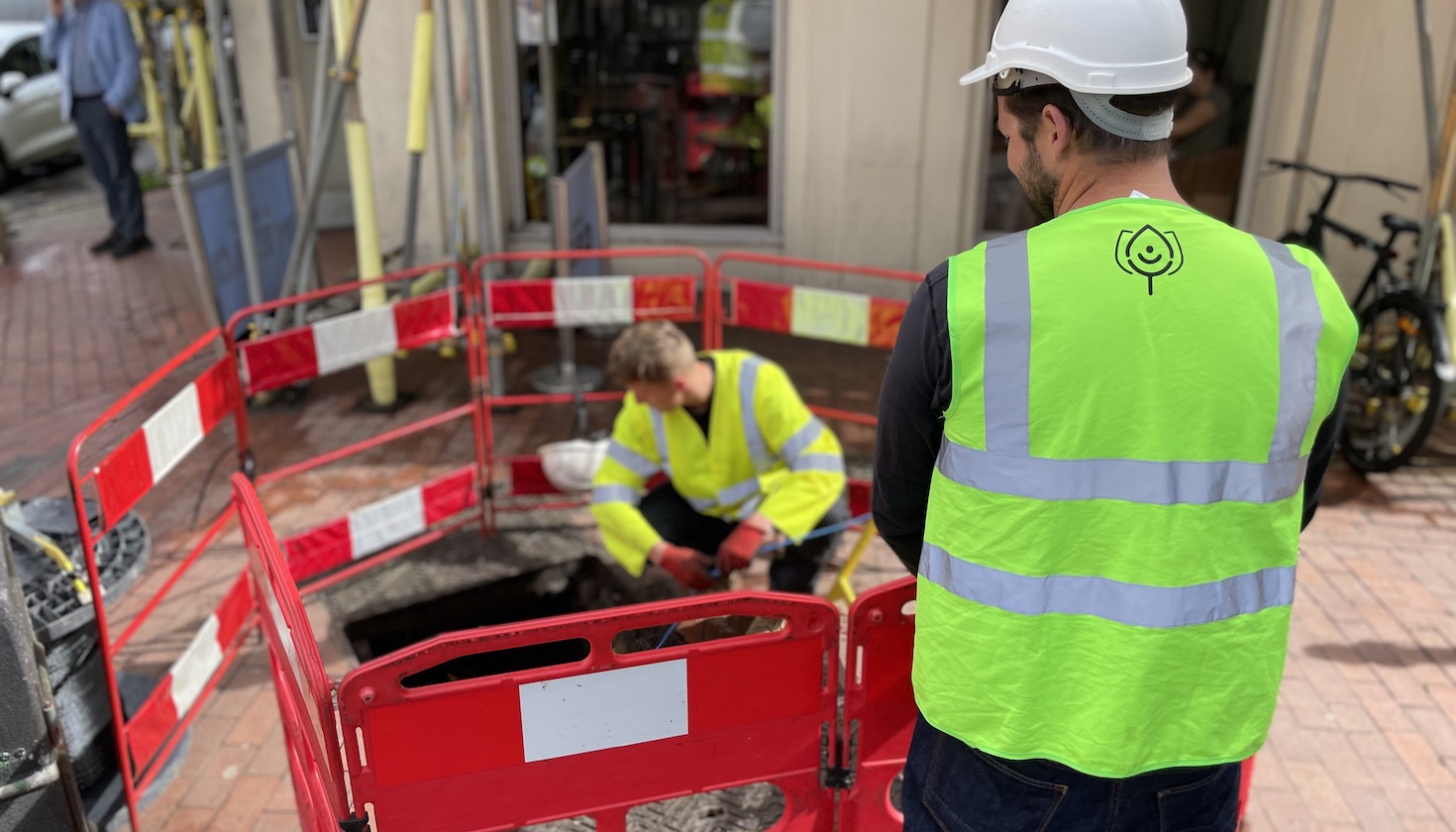
We have laid over 50km of fibre across Brighton & Hove, following the way people actually live and work rather than a neat shape on a map. We focus on streets, buildings and neighbourhoods with awkward access and engineering challenges — the places other networks often skip.
Where we can, we build underground and reuse existing ducts; where we cannot, we take time to get details right so the network sits quietly in the background. It is designed to respect the streetscape and heritage of the city while still being easy to maintain, extend and repair when needed.
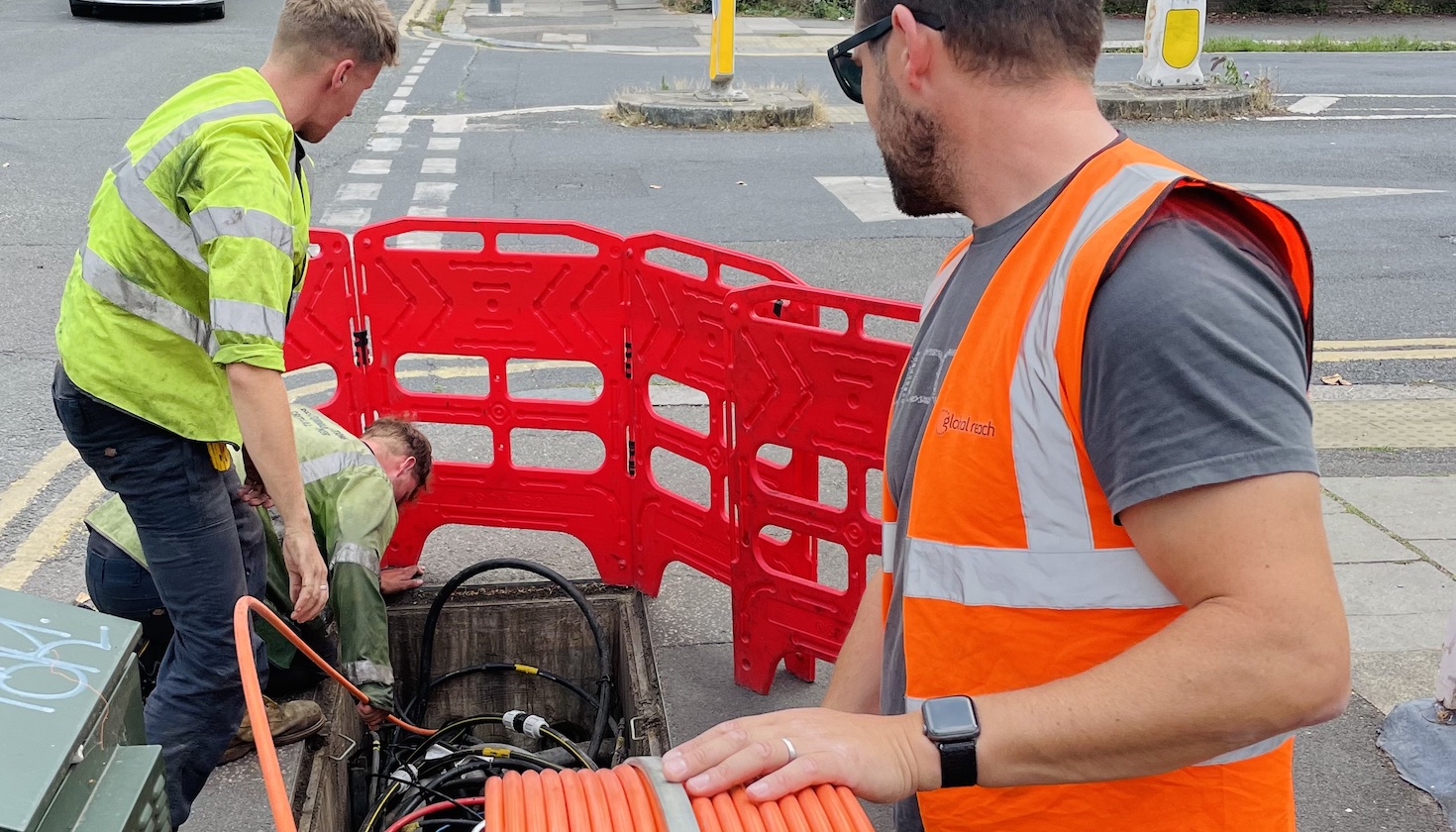
The fibre spine under the city
A spine of fibre criss-crosses the city, linking our nodes and chambers together. From that spine, carefully planned routes branch off to the homes, studios and small businesses that rely on us every day.
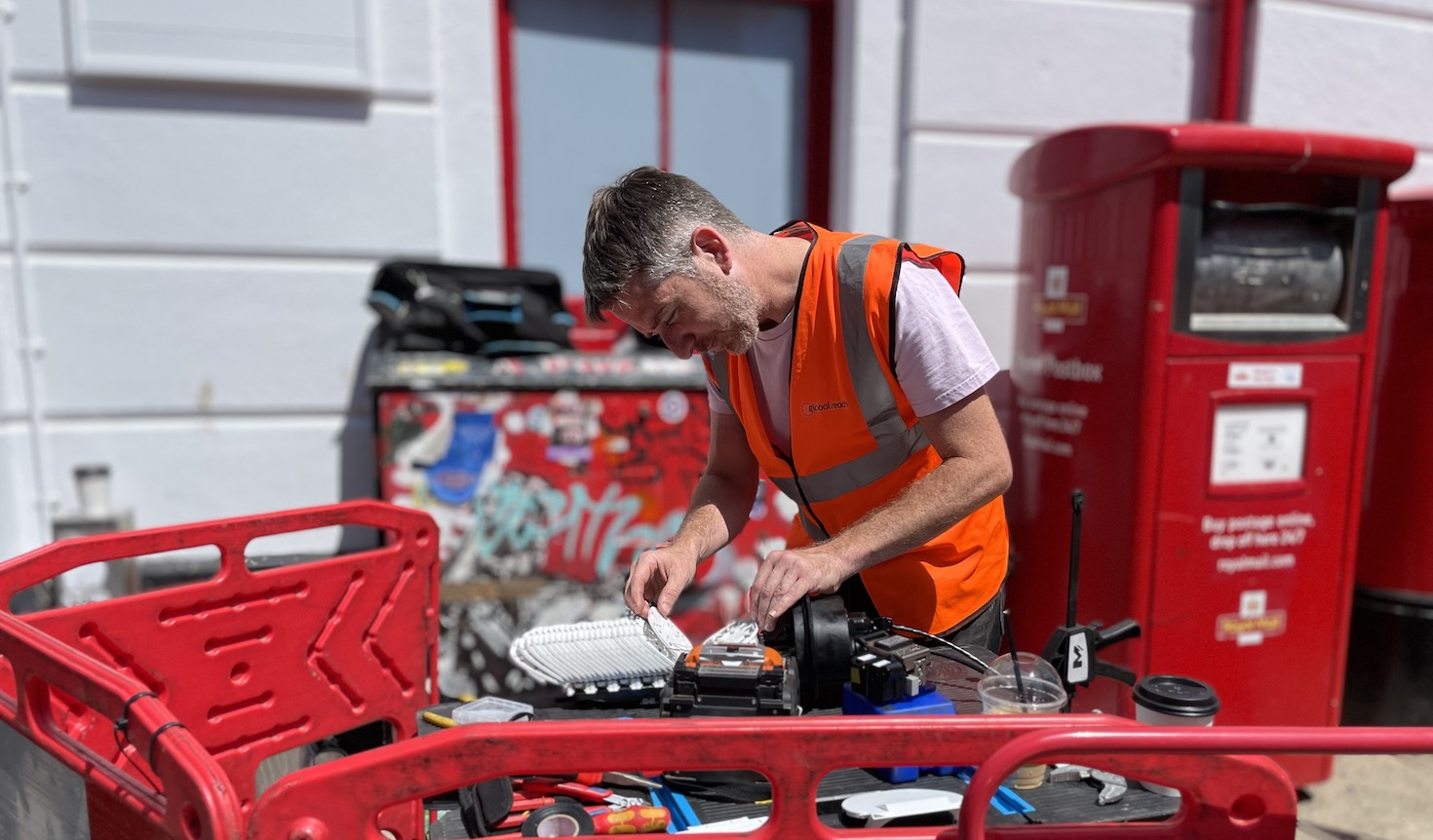
Each joint, tray and splice is put together by people who care about the engineering: bend radii, slack loops, tray layouts and labels are all part of the craft. That attention to detail means faults are easier to track down, upgrades are cleaner, and the network feels considered rather than thrown in.
The Exchange — our headend
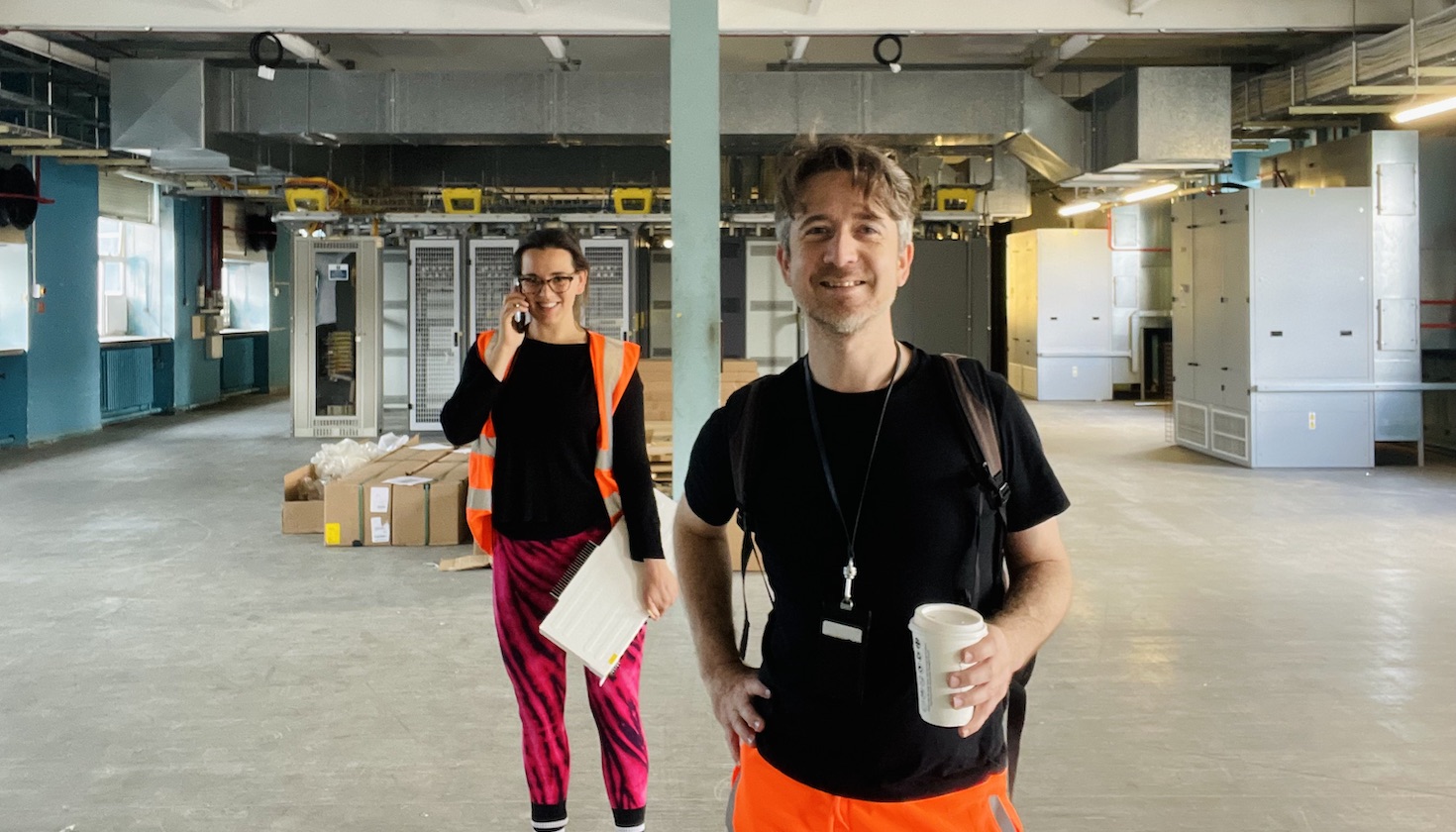
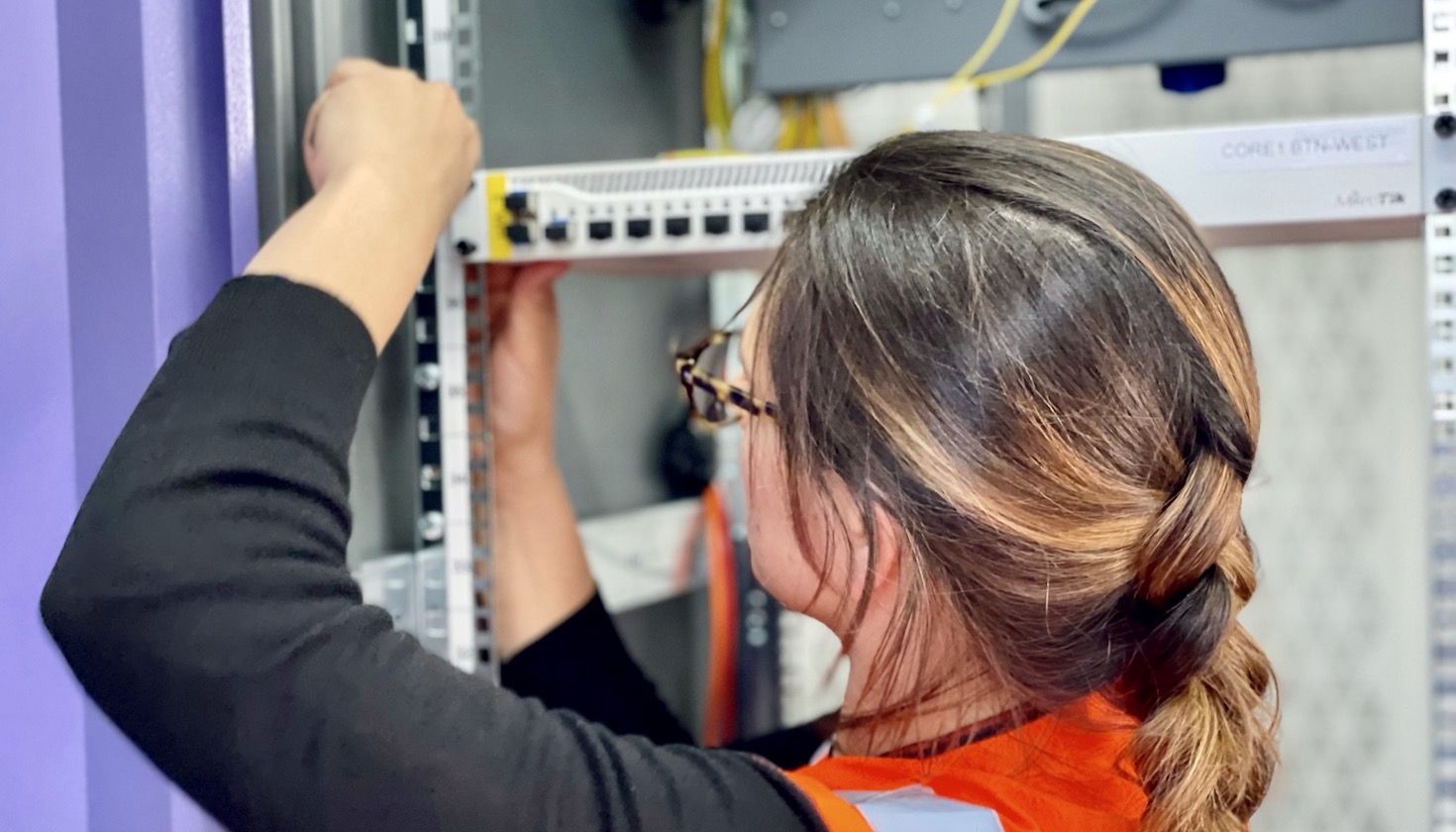
All of our fibres come back to our own exchange in Brighton, where we house our OLTs, core routers and switching, and connect out to other networks and data centres.
The exchange runs on solar power with battery-backed DC, so the heart of the network uses as little energy as possible while staying resilient during power blips. Because it is our space, we decide how everything is powered, cooled and wired, and we can rework and improve the design as the network grows.
How we enter and serve buildings
In larger buildings we bring fibre into a tidy shared distribution point, then run internal fibre to each unit. Every route is planned so that it is both strong and discreet.
We work with landlords, freeholders and managing agents to agree routes, labels and fire-stopping, so the building stays safe and organised. Adding a new tenant, moving a service or uprating capacity becomes a matter of patching fibres, not ripping out and starting again.
Monitoring, automation and control
We run the network through our own software platform, which tracks the health of links, devices and services in real time and ties this into installs, tasks and support.
When something looks off, we can see exactly which circuit, splice or device is involved, often before anyone notices a problem. And when a human does need to step in, the same people who built the network and software are the ones responding, rather than a distant wholesale team.
Sharing the network fairly
The same physical network serves homes, studios, venues and social projects without different grades of infrastructure. We keep pricing fair with things like a true social tariff rather than slow or second-class lines.
As we extend routes, we look for chances to connect community spaces and like-minded organisations along the way. Each new piece of build is an opportunity for more people to share the benefits of a resilient, well-engineered local network.